


























Complex UX
prototyping.
Complex UX
prototyping for
A working prototype your team can put in front of real users before anyone commits a roadmap quarter. Get evidence-driven results in weeks not months at a fixed price.
Twenty years finding solutions for these teams and dozens of others across SaaS, B2B, Logistics and Fintech.
Building the wrong thing is expensive.
Before your engineers build it, let’s find out if it’s right.
A working prototype in weeks. Not generated, designed. Twenty years of product work in fintech, enterprise and regulated data, from one person you actually get to talk to.
Feedback engine
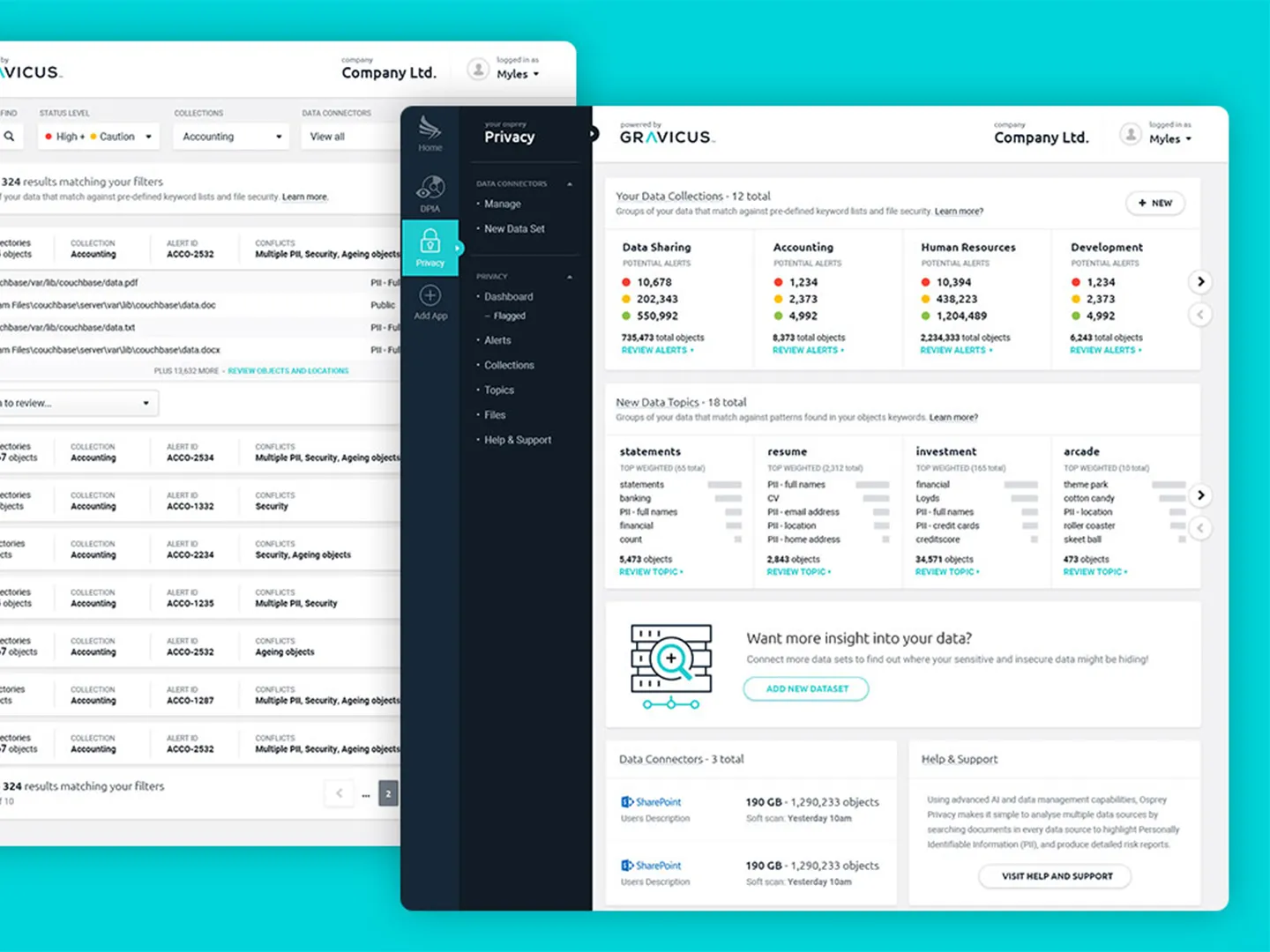
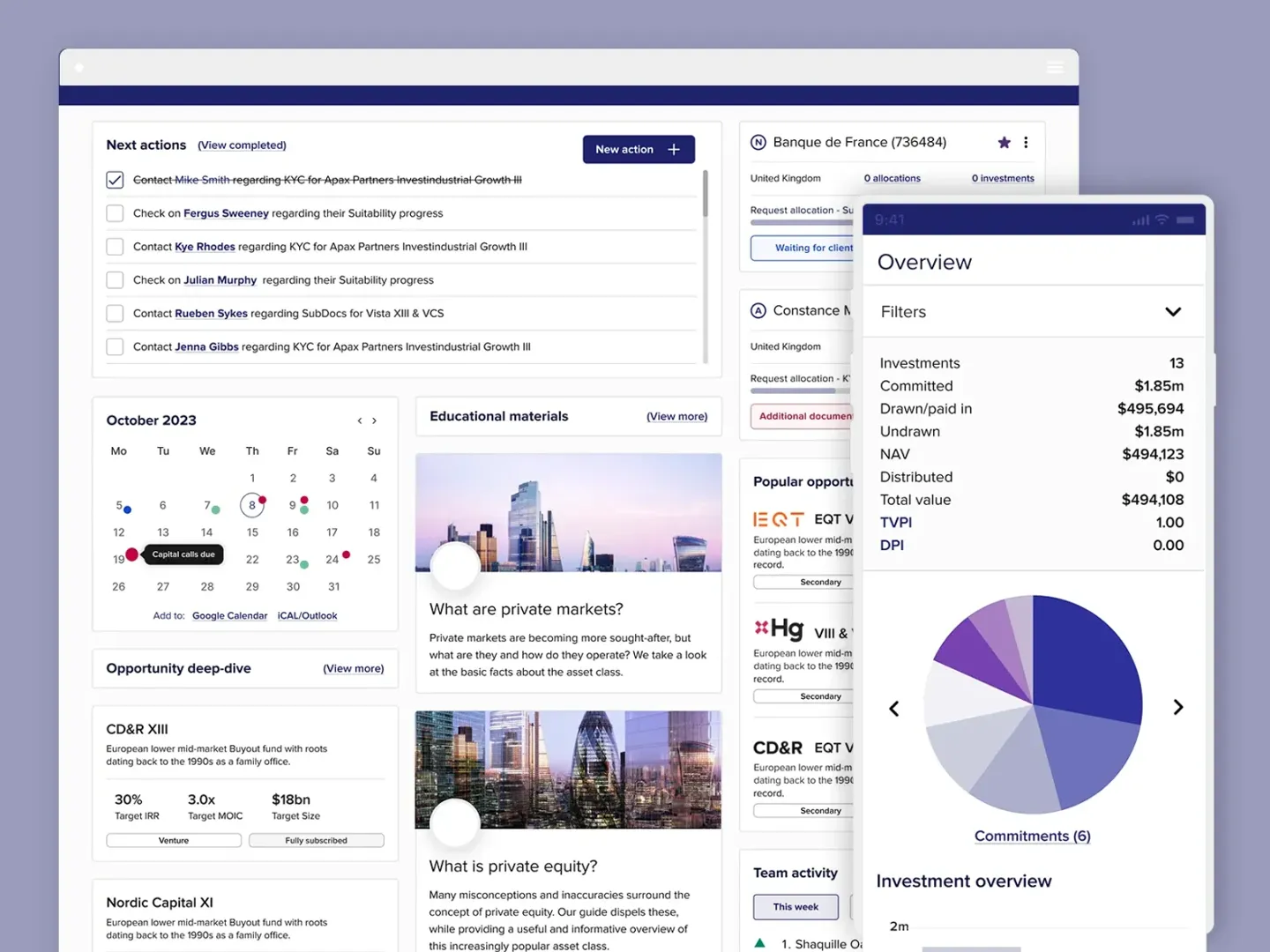
Private cloud based login. An async iterative and collaborative design process. Video walkthrough demos and clickable assets across devices.
Simple user testing
Baked in prototype tools to get real-world insight from internal users and external customers fast. Catch issues early with the results to prove it.
Exported handover
Standalone portability. Your strongest asset for investment pitching, ExCo, engineering architecture, front-end frameworking and so much more.
"Provided a full product design from a bare specification. I'm a developer myself and I must say that working together was a great pleasure. "
Blockchain infrastructure research
London based design studio.
Fixed rate quote.
On-demand support.
* Project duration will vary based on scope and complexity
Book an introduction
Design and test it
Timeline average
- UX app/product audit
- Design system, DLS
- Tokenized Figmas
- React/Node.js
- Ongoing support
Design it for me
Timeline average
- Team ideation workshops
- Branding/styleguide
- UX wireframes
- Pitch decks
- Landing pages
How do you handle sensitive or proprietary data?
Happy to sign your NDA before anything is shared. Prototypes run on a private, login-protected environment, and I work with anonymised or synthetic data by default unless you'd rather supply a sanitised extract. If your team has its own stack and approval process, I'll work inside yours instead of asking you to adopt mine.
How do you measure success?
By whether you can make a decision at the end of it. Every prototype ships with comments and reviews attached, so you finish with a prioritised list of what real users tripped over and what your own team flagged. If the prototype proves the idea is wrong, that still counts as a result. Finding that out in two weeks is the entire point.
How many rounds of revisions are included?
Revisions aren't counted, they're the process. Each week runs the same loop: new build goes out Monday, comments and review findings come back by Wednesday, revised build follows. That's two full loops on a two week sprint and four on a four week one.
What does engineer handover look like?
You get the working prototype, not a description of one. That means the deployed build, the source, the component structure and the tokens behind it, plus a walkthrough video covering the decisions and edge cases the screens don't explain on their own. Your engineers can read it, lift what's useful and bin the rest. Nothing is locked to my tooling or my accounts.
What does a working prototype include?
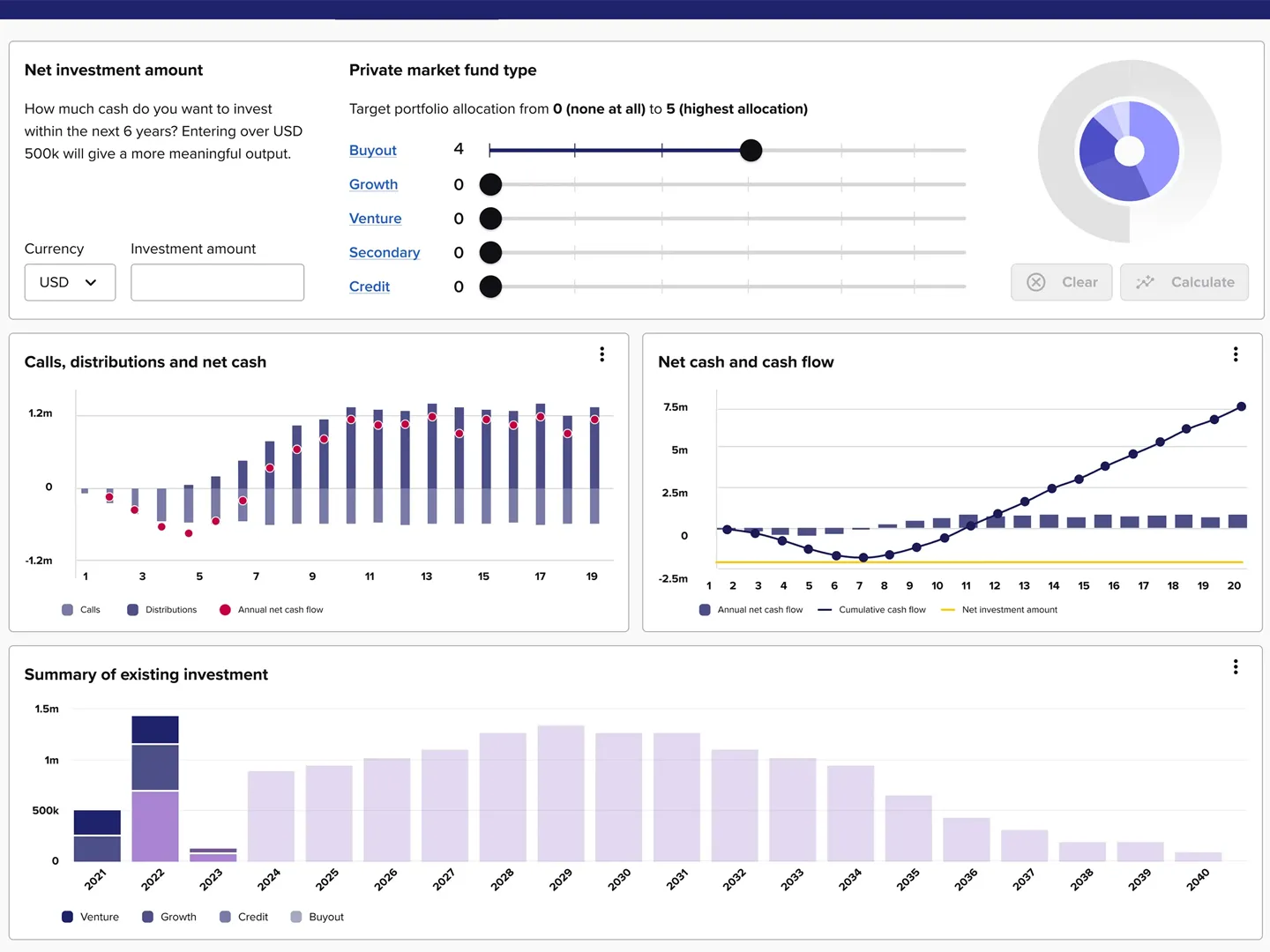
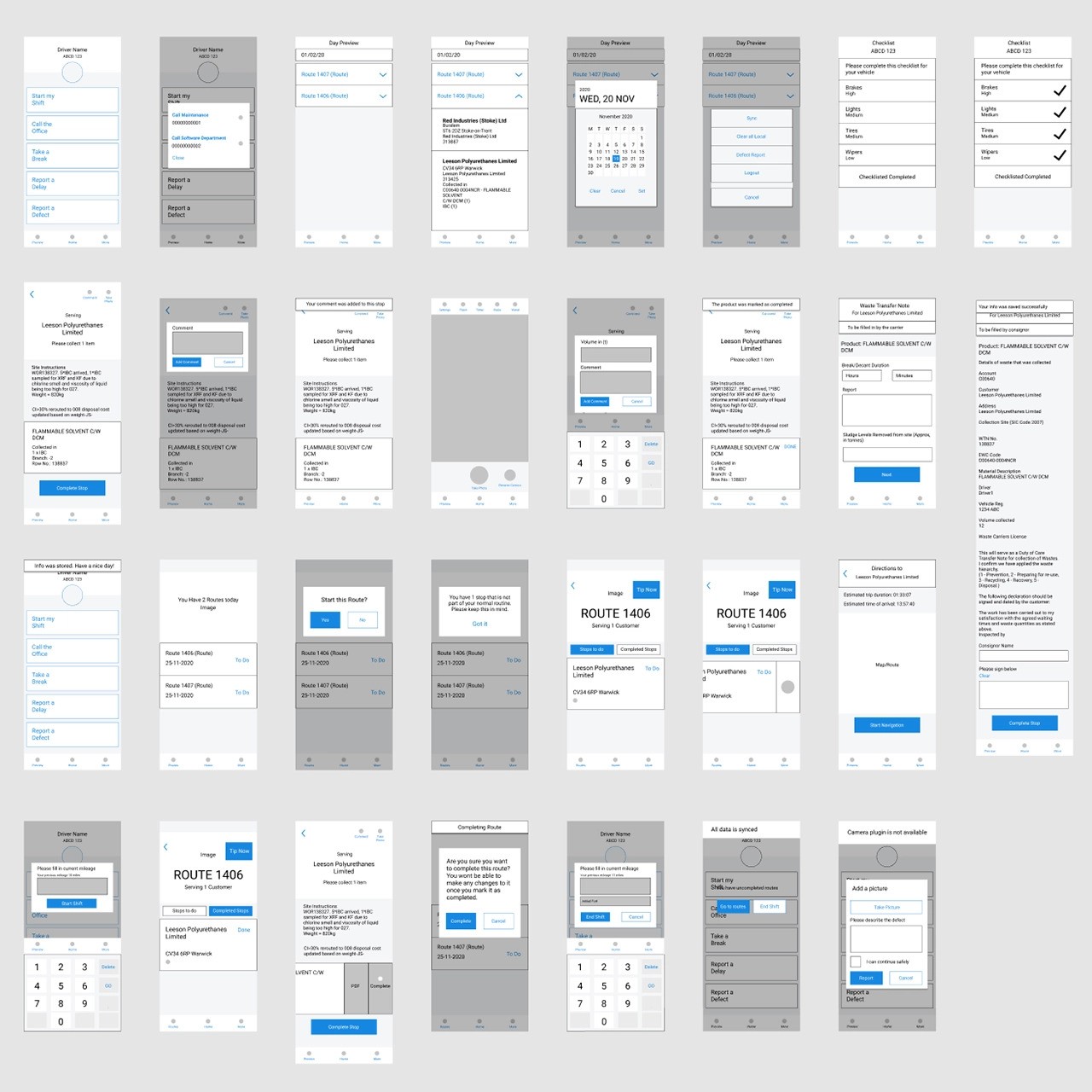
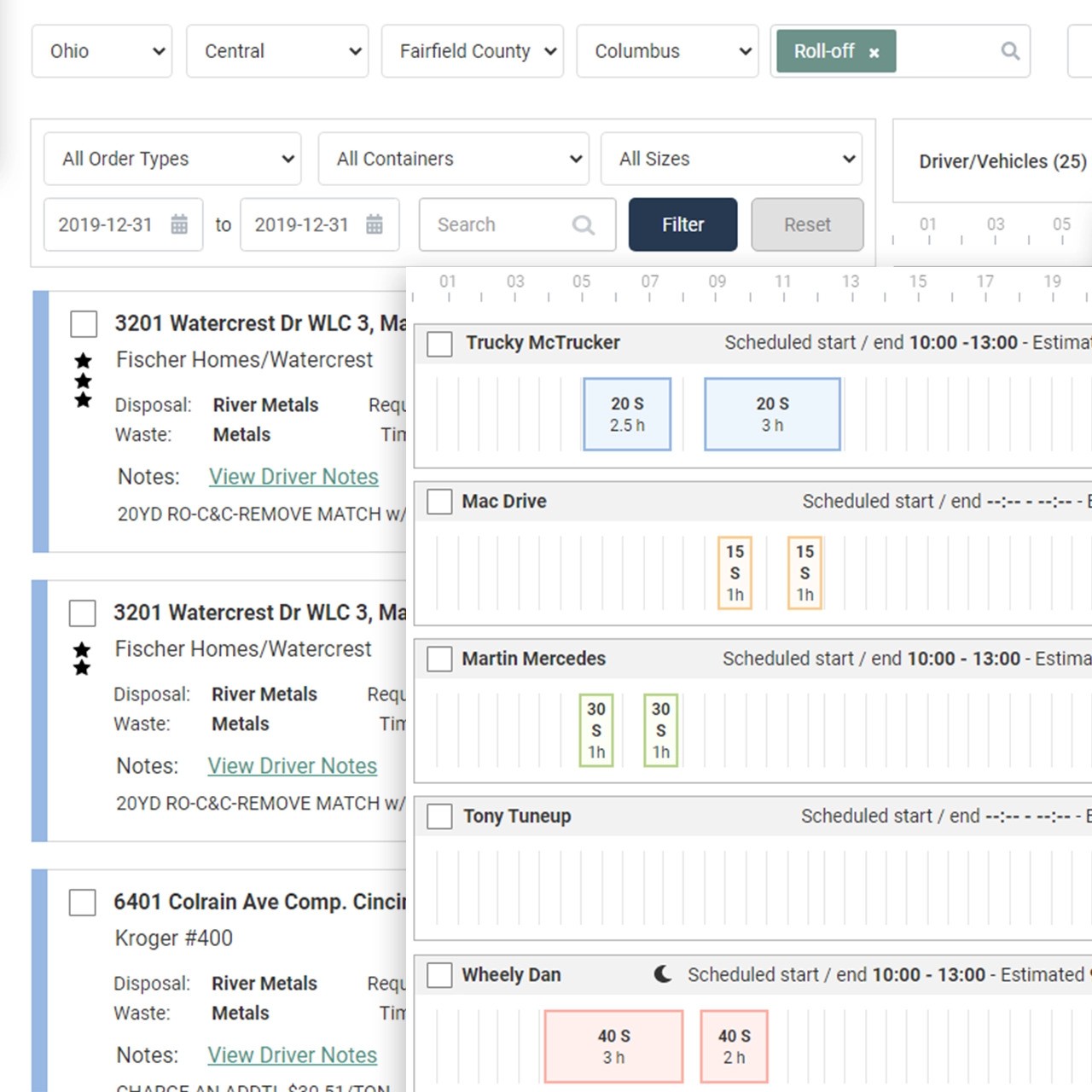
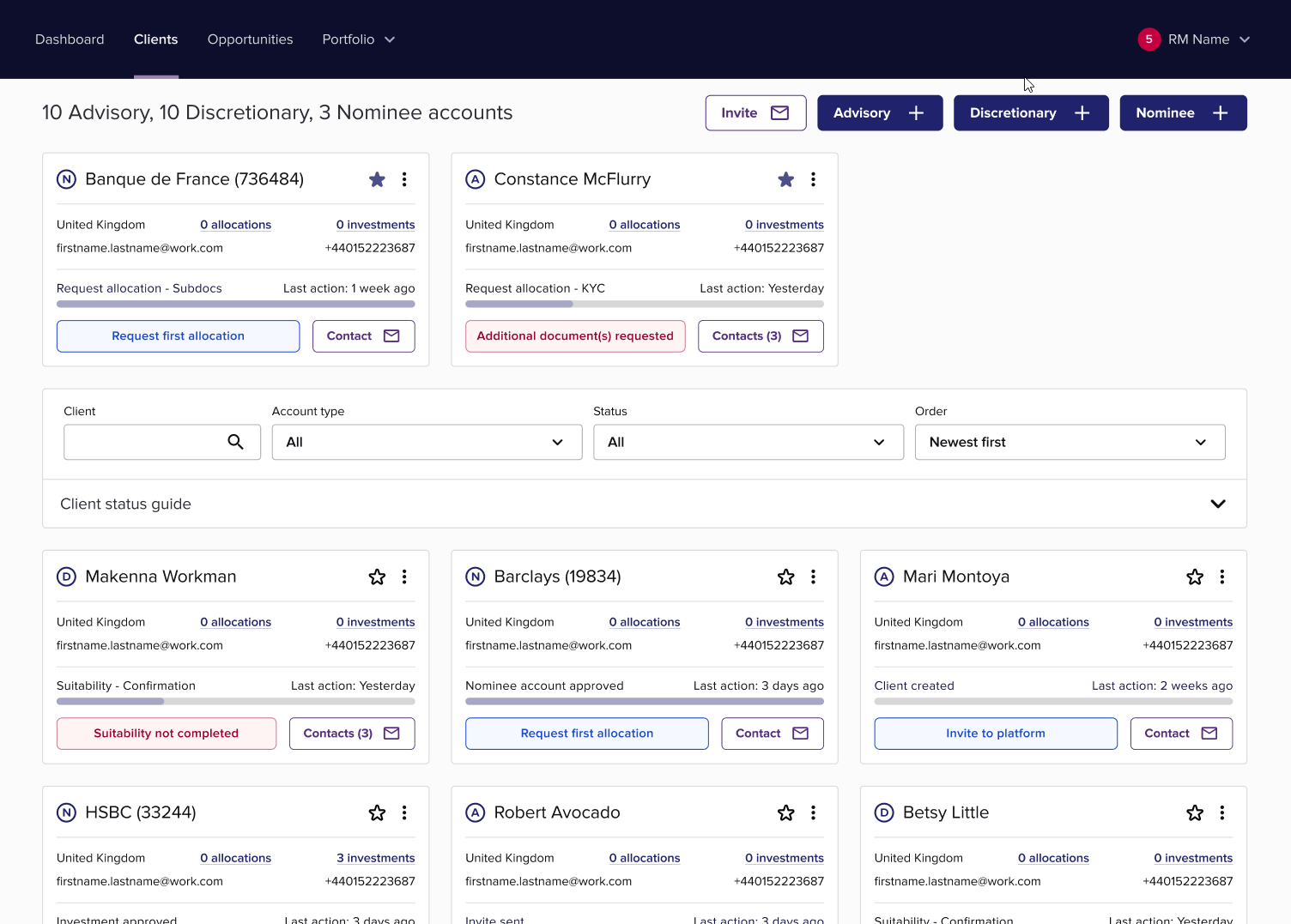
Real screens, real interactions, real data, deployed to a URL your team can open on any device. That includes the states people skip in a Figma flow: empty, loading, error, no permission, partial data. It's software you can hand to a user and watch them use, not a linked mockup.
What’s the typical timeline from kickoff to testable prototype?
The first testable build is usually live within the first week. A full sprint runs two weeks from kickoff to final prototype and written findings, or four weeks when user reviews are in scope, since recruiting and running sessions takes real time. You get the dates before we start and they don't move.
What if we’re not happy with the work?
You'll know long before the end. The first build is in your hands inside a week, so if the direction is wrong you can say so on day five rather than day twenty. And if it still isn't right after that first loop, you can stop there and pay for the first week only. The weekly rhythm exists precisely so nothing drifts for a fortnight unnoticed.
Do you work with our design system?
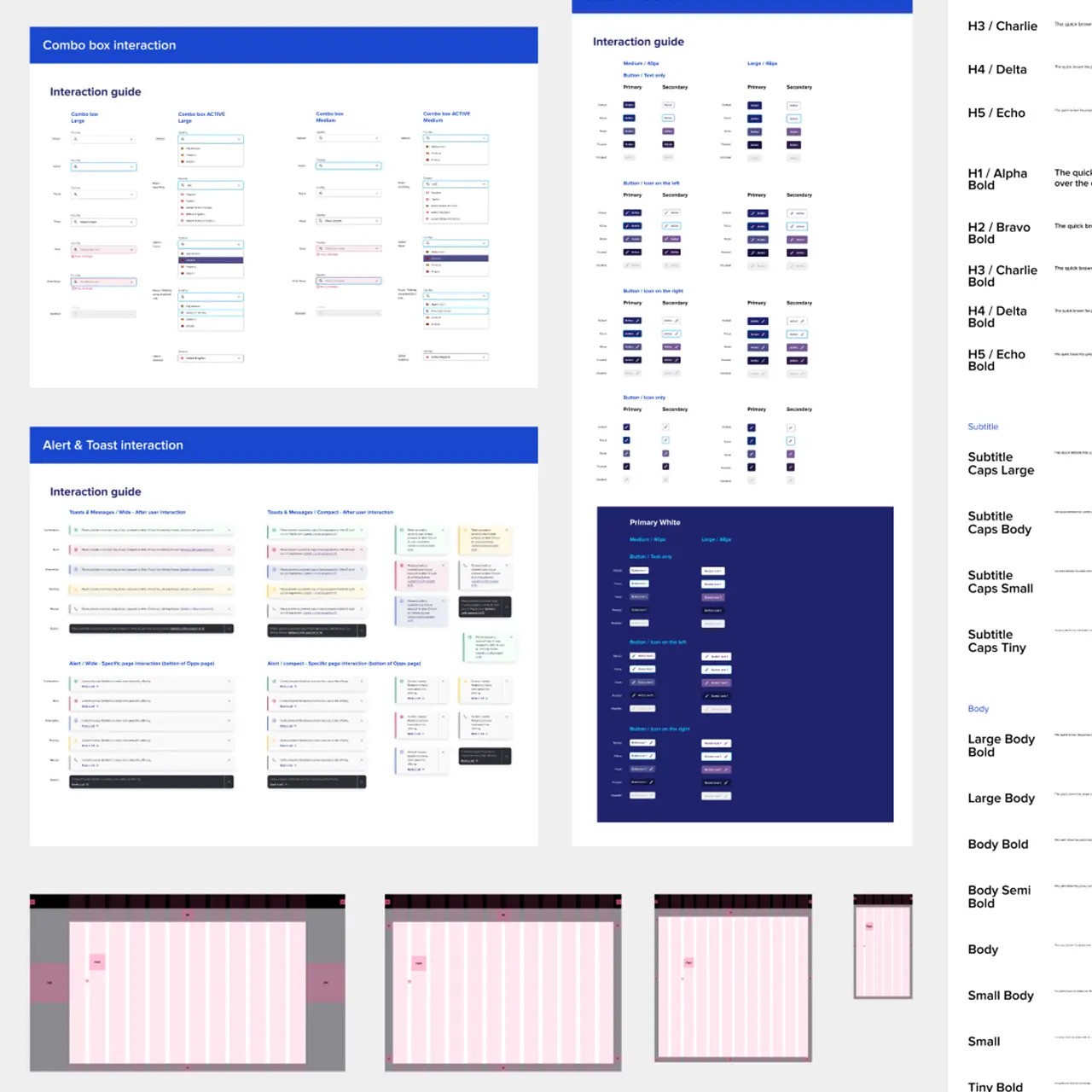
Yes, and it usually makes things faster. If you have a component library, tokens or a Figma kit, the prototype gets built in it, so what you test looks like your product and what your engineers get back drops into your codebase. If you don't have one, I'll build to a light set of tokens you can keep and extend afterwards.